
Lead Nurture Automation for Plumbers, Electricians, HVAC
Catch the 11pm burst-pipe call, follow up on the quotes that went cold, and reactivate dormant customers before each season — without changing the field service software your team already knows.
The problem
A home services business is constantly losing money in three quiet places, and none of them show up on a P&L line called "leaks." They show up as a slower August than last August, a quote close rate that nobody can quite explain, and a dispatcher who feels a step behind the phone all week.
After-hours emergency calls
The first place is the after-hours emergency call. A burst pipe at 11pm on a Tuesday. An AC unit dying at 9pm in a July heatwave. A breaker tripping during a Saturday-night dinner party. A roof leak appearing in the middle of a Sunday-morning storm. These calls do not wait for business hours, and homeowners with water spreading across a floor do not leave voicemails — they hang up and dial the next plumber on the search results. Housecall Pro's research puts the average inbound call miss rate at roughly 27% across home services businesses, and Invoca's modeling pegs the average missed call at about $1,200 in lost immediate revenue based on typical ticket sizes. Add in the lifetime value of a recurring residential customer — the future water heater, the future drain cleaning, the future maintenance plan — and a missed 11pm call is closer to a five-figure loss spread out over a few years.
Quotes that go cold
The second place is the quote that went cold. A tech walks a homeowner through a $4,800 water heater replacement, leaves the written estimate, and drives to the next job. The dispatcher means to call back on Thursday. The owner means to text on Friday. Nobody does, because the next emergency just rolled in. ServiceTitan's residential research found that 47% of contractors over $10 million in revenue say following up on unsold estimates generates 11-15% of their income — and that 39% of thriving contractors pull back another 1-15% of revenue from estimate follow-up that struggling contractors leave on the table. The Harvard Business Review study on online sales leads is even more pointed: firms that responded within five minutes were 21 times more likely to qualify a lead than firms that waited 30 minutes. The home-services version of that math punishes anyone who waits.
Seasonal swings nobody warms up
The third place is the seasonal cycle. HVAC contractors live through a brutal pattern — two months of overload when the first heatwave hits, two months of slow when the weather is mild, then another sprint when the freeze comes. Plumbers see the same shape around holiday cooking weeks and the deep-freeze. Roofers get crushed after every hailstorm and stare at empty boards in between. Without a system to wake dormant customers before each season — tune-up reminders going out in late summer, AC checks in early spring, drain and water-heater nudges before Thanksgiving — the calendar swings from overload to underload and the techs feel both ends of it.
None of these are problems the dispatcher is doing wrong. They are problems of capacity. There is no front office in the home services industry that has time to text every after-hours missed call within five minutes, run a paced multi-touch follow-up on every quote a tech left this week, and run a segmented seasonal reactivation campaign across the entire customer base — while also answering the live calls coming in, routing trucks, and reconciling yesterday's invoices.

What changes for your business
The autopilot fills the gap where the front office runs out of hours. It is three flows that run quietly in the background of the existing dispatch workflow, written in the company's voice, and handed back to the team the moment a homeowner actually replies.
After-hours capture with triage
The first flow is after-hours capture. A missed call after hours triggers an outbound SMS within a few minutes — acknowledging the call, asking a couple of short triage questions (active leak, no heat, no power, scheduling), and either escalating the genuine emergency to your on-call number or booking a first-thing-tomorrow slot for the call that can wait. A web form fill or chat message gets the same treatment. The 11pm caller sees a response in minutes instead of voicemail dead air, and by the time your dispatcher walks in at 7am, the situation has been triaged, the intent has been captured, and the homeowner has not yet given up and dialed the next contractor in the search results.
Paced quote follow-up
The second flow is quote follow-up. The moment a tech marks a quote as sent in the field service software, the sequence picks it up. A same-day recap goes out with the proposal attached and a short note in the company's voice — "thanks for letting Jake walk through the water heater options today, here is the written quote, here is what is included." A check-in goes out a few days later — "wanted to make sure you had a chance to review, happy to answer any questions." A final soft touch goes out a week or so after that — "if the timing changed or you have other questions, we are here." Hot leads still get a real call from a human; the sequence is what keeps the rest from quietly going to zero. The ServiceTitan benchmark — that 11-15% of revenue at thriving contractors comes from estimate follow-up — is exactly the slice the autopilot recovers.
Seasonal reactivation
The third flow is seasonal reactivation. The system maintains a calendar of who got what service when, and starts the right outbound conversation before the season turns. HVAC customers who installed a system three years ago get a tune-up prompt in mid-July before the August heatwave. Customers who got a drain cleaning last fall get a reminder before Thanksgiving. Customers on a roof that took hail two seasons back get a pre-storm check-up offer. Maintenance plan enrollment is built into the sequence, so a slice of off-season capacity gets channeled into recurring revenue instead of empty truck hours.
What changes for the business: the after-hours emergency calls stop bleeding to the next contractor, the four-figure quotes stop dying from no follow-up, and the dispatcher walks in on Monday to a sorted queue of acknowledged inquiries and a worked follow-up list instead of voicemail triage.
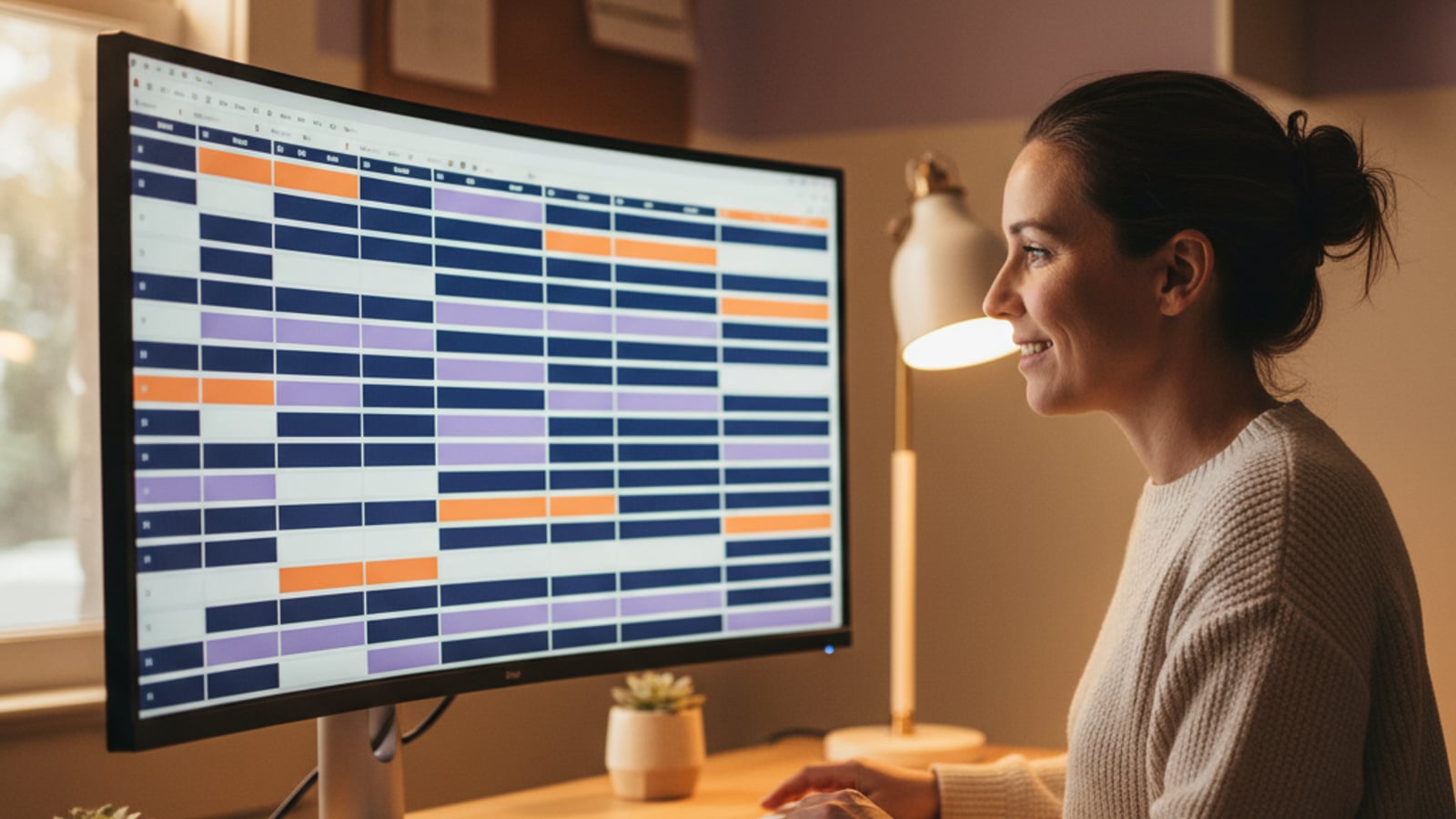
What we build for home services contractors
A first-phase deployment is scoped to ship in 2 to 4 weeks and covers the three flows in plain language. None of this requires the contractor to change the field service software, retrain the techs on a new app, or move customer records out of where they already live.
For after-hours capture, the deliverable is a missed-call SMS responder, a website chat assistant, and a web form intake that all funnel into the same flow. Inbound contacts get a first response in a few minutes, in the company's voice, with simple triage questions that route the genuine emergencies to the on-call line and book the rest for the next available slot. Replies route to the dispatcher in the channel they already use, with the conversation history attached.
For quote follow-up, the deliverable is a sequence wired to the field service software's quote-sent event. Same-day proposal recap, mid-week check-in, and a soft last-touch — each written in the company's voice, each pausing the moment the homeowner replies or books. The dispatcher sees a simple list of which quotes the autopilot is currently working and which need a human call.
For seasonal reactivation, the deliverable is a segmented calendar of dormant customers built from the field service software's service history, with the right outbound message firing before the right season. HVAC tune-up prompts go out in mid-July. AC check prompts go out in March. Drain and water-heater prompts go out before holiday cooking. Maintenance plan enrollment is offered as part of the sequence where it fits the service mix.
We also wire up a simple monthly report so the owner can see what the autopilot recovered — after-hours calls captured, quotes brought back, reactivations booked — without having to dig through dispatch records to find it. The point is that the dispatcher sees fewer interruptions, the owner sees fewer 11pm phone calls, and the techs spend their evenings home instead of returning quote follow-ups from the truck.
Outcomes you should expect
What this delivers
- Catch the 11pm burst-pipe call, the 9pm dead-AC call in July, and the Sunday-morning roof-leak call — with a first response inside a few minutes, in your company's voice, before the homeowner dials the next contractor on the search results.
- Run a paced, multi-touch follow-up on every quote a tech leaves behind — same-day proposal recap, mid-week check-in, and a soft last-touch — so the four-figure quotes that went cold from no follow-up start coming back.
- Reactivate dormant customers before each season turns — HVAC tune-up reminders in late summer, AC checks in early spring, drain and water-heater nudges before the holiday cooking week — without your dispatcher having to maintain a reminder calendar.
- Free dispatchers and CSRs from Monday-morning voicemail triage, so the team starts the week working warm leads instead of cold-calling weekend missed-call lists.
- Send technicians home at the end of the actual workday — the quote follow-ups and after-hours intake run in the background instead of becoming a 9pm phone session for the owner.
Industry data
By the numbers
Harvard Business Review research on online sales leads found that firms responding within five minutes were 100 times more likely to connect with a prospect and 21 times more likely to qualify the lead than firms that waited 30 minutes — and firms that responded within an hour were nearly seven times more likely to qualify the lead than firms that waited even an hour longer.
Housecall Pro reports that home services businesses miss roughly 27% of their inbound calls on average, and Invoca's modeling puts the average missed call at about $1,200 in lost immediate revenue based on typical home-services ticket sizes.
ServiceTitan's residential industry research found that 47% of contractors with $10 million or more in annual revenue say following up on unsold estimates generates 11-15% of their income, and 39% of thriving contractors report another 1-15% of revenue coming back from estimate follow-up they would otherwise have lost.
ServiceTitan's residential report also found that 54% of thriving contractors present a three-tier Good / Better / Best estimate on at least half of their jobs, compared with under 10% of struggling contractors — a sales habit that depends on a follow-up system to actually run through to close.
Housecall Pro's home services research notes that 80% of customers say the experience they receive from a business is as important as its products or services, and roughly 73% will move to a competitor after more than one bad experience — including a slow callback on an after-hours emergency.
Illustrative scenario
What this typically looks like
The scenario below is illustrative — a representative outcome for a business that fits this service profile, not a claimed client engagement.
This is an illustrative scenario, not a description of a specific client engagement. It shows how the math typically lines up.
Picture a six-truck residential plumbing and drain company in a suburban market, running on a major field service platform with one full-time dispatcher and a part-time CSR. The owner still picks up after-hours calls when nobody else is on. The baseline pattern looks like this: roughly a quarter of inbound calls go unanswered in a typical week — mostly after hours and during the lunch crunch. Techs leave 30 to 40 quotes a month in the field, but follow-up is sporadic and most of the unsold ones quietly go cold within two weeks. Seasonal swings mean two months a year of full schedule and two months a year of techs taking long lunches.
After deploying the three flows, the math typically shapes up like this over the first one to three months. After-hours capture catches a meaningful share of the calls that would have rolled to voicemail — even recovering one or two emergency calls a week at the Invoca-cited $1,200 average ticket adds up to a four-figure monthly recovery just from the after-hours layer. The quote follow-up sequence tends to recover roughly 3 to 6 of the previously cold quotes a month — a small percentage of the total quote volume, but at typical plumbing ticket sizes that is a five-figure monthly lift in recovered revenue. The seasonal reactivation flow brings a steady trickle of dormant customers back onto the schedule — typically 10 to 25 a month — and each one is also a future emergency call and a future quote.
A 20-truck HVAC company sees the same shape with bigger absolute numbers, especially around the pre-season tune-up reminders, where a single well-timed July campaign can fill a meaningful chunk of August capacity. A single-truck electrician sees the same shape with smaller absolute numbers but a larger relative impact, because the dispatcher capacity constraint is even tighter.
The actual numbers depend on ticket size, market, and how leaky the baseline was. The shape of the math does not.
Common questions
What buyers ask before reaching out
What is lead nurture automation for a home services business, in plain terms?
It is a set of automatic follow-up messages — text, email, and sometimes a missed-call callback — that fire when a new inquiry comes in after hours, when a tech leaves a quote that has not closed, or when a past customer is overdue for seasonal service. The dispatcher and CSR still own every live conversation. The automation handles the first touch and the persistence, so the 11pm burst-pipe call gets a text back inside a few minutes instead of waiting until 7am, and the $4,800 water heater quote does not go cold just because Friday got busy.
Will this work with ServiceTitan, Housecall Pro, Jobber, or FieldEdge?
We design the autopilot to sit alongside the field service software your team already runs, rather than replace it. The exact depth of the connection depends on the platform and the plan you are on — sometimes we read and write through the official API, sometimes we sit on top through an existing communication add-on, and sometimes we use a thin reporting layer that watches your daily schedule and quote list. We confirm what is reachable in the first conversation before quoting, so there are no surprises. The customer record stays in your field service software; the automation reads from it and writes the conversation history back where the platform supports it.
What happens with after-hours emergency calls — the 11pm burst pipe, the 9pm AC dying in a heatwave?
After-hours emergencies are the highest-leverage piece of the system. A missed call after hours triggers an automatic SMS within a few minutes — written in your company's voice — acknowledging the call, asking a couple of short triage questions (active leak, no heat, no power, scheduling question), and either routing the genuine emergency to your on-call number or booking a first-thing-tomorrow slot for the situation that can wait. The homeowner sees a response in minutes instead of voicemail dead air, and they are far less likely to have dialed the next plumber on the search results by the time you call in the morning.
Our techs leave quotes but follow-up is sporadic. How does this help?
The follow-up sequence runs automatically the moment a tech marks a quote as sent. The homeowner gets a same-day recap with the proposal attached and a short note in your company's voice. A few days later, a soft check-in goes out asking if they have questions. A week or so after that, a final low-pressure touch. The dispatcher does not have to remember which quote was sent on Tuesday and is still warm on Friday — the system already worked it. Hot leads still get a real call from a real person; the automation is what keeps the rest from quietly going to zero. ServiceTitan's research shows this is where a meaningful 11-15% slice of contractor revenue actually lives.
What about seasonal swings — HVAC overload in July, slow in October?
Two things, mostly. First, a reactivation flow wakes dormant customers before the season hits — heating tune-up reminders going out in late summer, AC checks in early spring, drain cleanings before holiday cooking, roof checks before storm season. Second, the off-season capacity gets channeled into maintenance plan enrollment, so a slice of revenue keeps coming in even when the weather is mild. Neither is a magic flattening of demand, but together they tend to smooth the worst troughs and put a baseline of recurring revenue underneath the seasonal swing.
Does this replace our dispatcher or CSR?
No. The dispatcher and CSR still own live booking, dispatch, and any homeowner who replies. What changes is what they are doing on Monday morning — instead of triaging a stack of weekend voicemails and trying to remember which quotes are still warm, they walk in to a list of already-acknowledged inquiries, a quote-follow-up sequence that has already worked itself, and a waitlist of reactivation responses ready to be booked. Most owners we talk to find that the dispatcher gets a few hours a day back from repetitive work — hours that go straight to booking the calls coming in live and following up on the warm quotes.
How long does it take to go live and what does it cost?
Pricing scales with the size of the operation (single-truck plumber versus 20-truck HVAC company), the field service software in use, and how many of the three flows — after-hours capture, quote follow-up, seasonal reactivation — go live in the first phase. Most single-location contractors run a fixed-scope first phase in the low four figures of setup with a monthly run rate after, and go live in 2 to 4 weeks. There are no per-message fees that scale with call volume. Scope and pricing get confirmed on a 15-minute call before any work starts.
What if the AI gets a homeowner's question wrong?
The system is tuned to defer, not guess. Pricing on non-standard work, diagnosis of an active emergency, and anything outside the playbook get routed to a human — either booked for a callback or escalated to your on-call line, depending on how urgent the message reads. We watch the transcripts weekly in the first month and tighten the guardrails. The goal is for the autopilot to do the boring 80% reliably — the missed-call acknowledgement, the quote check-in, the seasonal nudge — and hand the ambiguous 20% to your team, not to play hero on judgment calls.
Ready to see what this looks like for your business?
A free 15-minute call. We talk about your business, the time and revenue you'd unlock with the right automation, and what the first 30 days could look like.